Behind the app
The thinking behind the product, developer interviews and design trade-offs. Each post notes the app version it describes; when features change, the in-app release notes are authoritative.
Developer interview · Overview, 12 parts
Data2Dao developer interview: a year turning daily movement into a game
Developer Johnny was interviewed for an hour by the app's orange cat. This overview has the key points, 12 articles split by question, a glossary, feature status and an FAQ.
Read the overview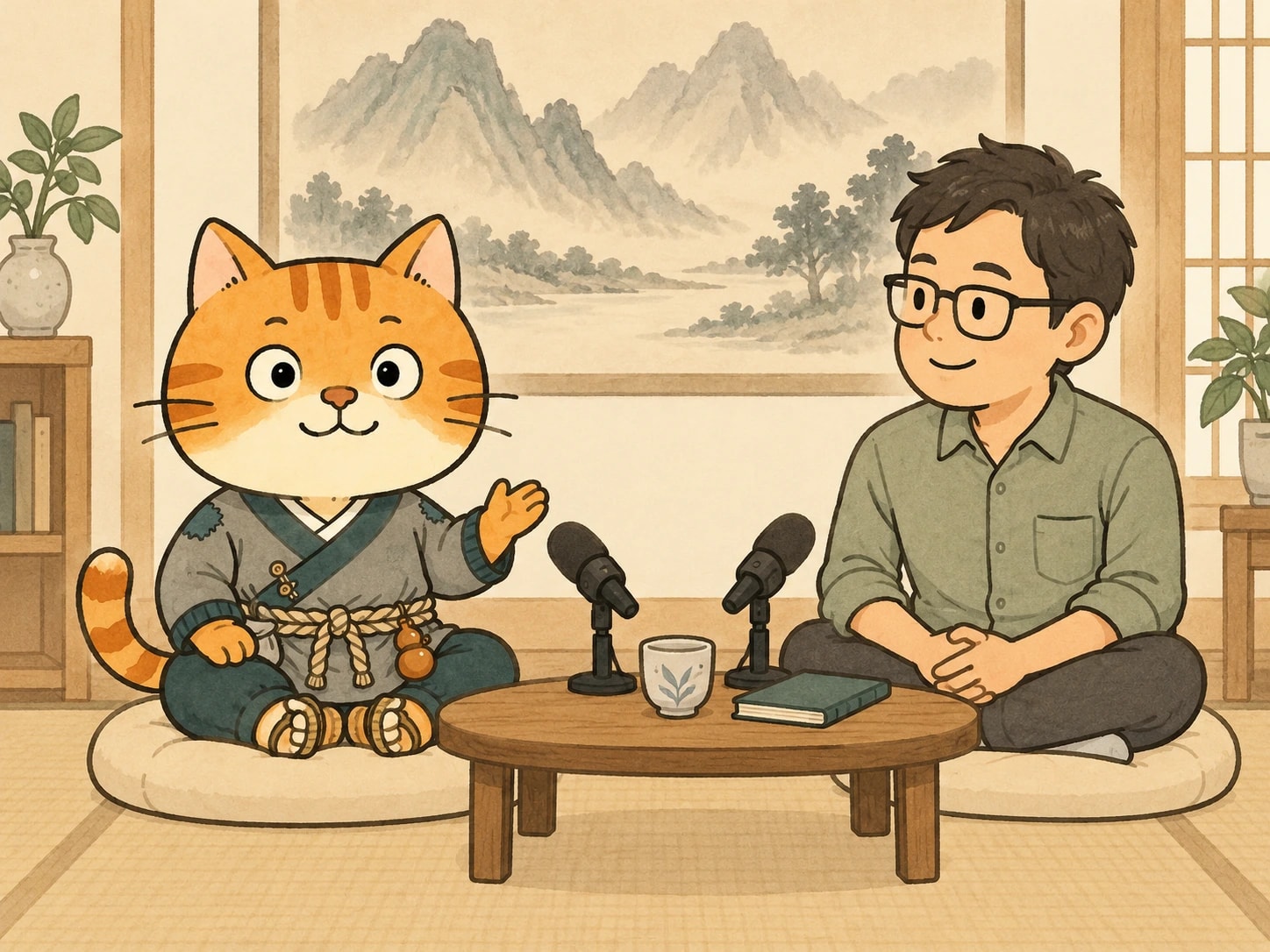
How to play4 articles
Is there a motion fitness game for just an iPhone? How to play Data2Dao
Data2Dao needs only an iPhone or iPad: stand the phone up in front of you, the front camera recognizes your movements on the device, and the monster loses health only when you complete a movement fully. This post covers the devices, the setup, how long a stage takes, what counts as a hit, and why the developer calls it a phone version of Ring Fit Adventure.
Desk job, only a few minutes a day to move? Who Data2Dao is and isn't for
Data2Dao is positioned as a few minutes of light exercise a day: after you get home from work or before your lunch break, stand the phone up and play one stage of 3 to 8 minutes. This post explains who it is for, who it is not for, where to practice, and why the developer compares it to a vitamin.
How do camera battles feel? Pentatonic hit sounds, a boxing boss, posters
In a Data2Dao battle, every hit plays a note, every five hits bring a new monster, and the five notes are exactly the Chinese pentatonic scale (gong, shang, jue, zhi, yu). This post covers the hit sounds, counting left and right separately, where to stand, how to fight the boxing boss, and the share posters after a battle.
What Manuals and Moves are in Data2Dao? Baduanjin and how to learn a Move
Data2Dao 1.6 splits its Manuals by body part into three books, Roc Wings, Lean Muscle Art and Wave Treading, plus two follow-along routines, Baduanjin and Broadcast Exercise 8. This post lists every Manual and Move and explains how you learn a Move, how to adjust the learning pace, and what to do when you only want to practice one particular movement.
Data and daily state3 articles
What are Aura and Inner Demon in Data2Dao? Sleep, late nights and training
Aura is the body battery in Data2Dao, calculated from sleep, heart rate, HRV and activity in Apple Health. Inner Demon is its inverse indicator, and late-night scrolling pushes it up. This article explains where the two numbers come from, how they affect today's training, and whether the app works without a watch.
What are Dao Years, Realm and Spirit Root in Data2Dao? Why sleep counts
Dao Years are the long-term total of your practice in Data2Dao: 30% is credited right after a session and the other 70% depends on that night's sleep. With enough Dao Years your Realm goes up. Spirit Root is a five-element profile that forms after about a month of use. This post explains the rules for all three and the developer's reasons for the design.
Too tired to work out after working late? 4-7-8 breathing in Data2Dao
On a day when Aura is very low, Data2Dao does not recommend a workout and suggests a round of 4-7-8 breathing instead. This article explains the 4-7-8 rhythm, when the wooden fish (a temple block) and the singing bowl sound, how eyes-closed detection is used, and why the developer designed it this way.


Sticking with it2 articles
Can't stick to a workout plan? Leave days and adaptive plans in Data2Dao
Data2Dao does not set a plan that stays fixed for months. Each morning it schedules today's stage based on your state, you can take leave when you are busy or tired, and running and cycling outside also count toward your progress. This post explains the leave rules, how outside exercise is counted, what the weekly plan is based on, and what is still in development.
What do red, yellow and green mean on Data2Dao's body heat map?
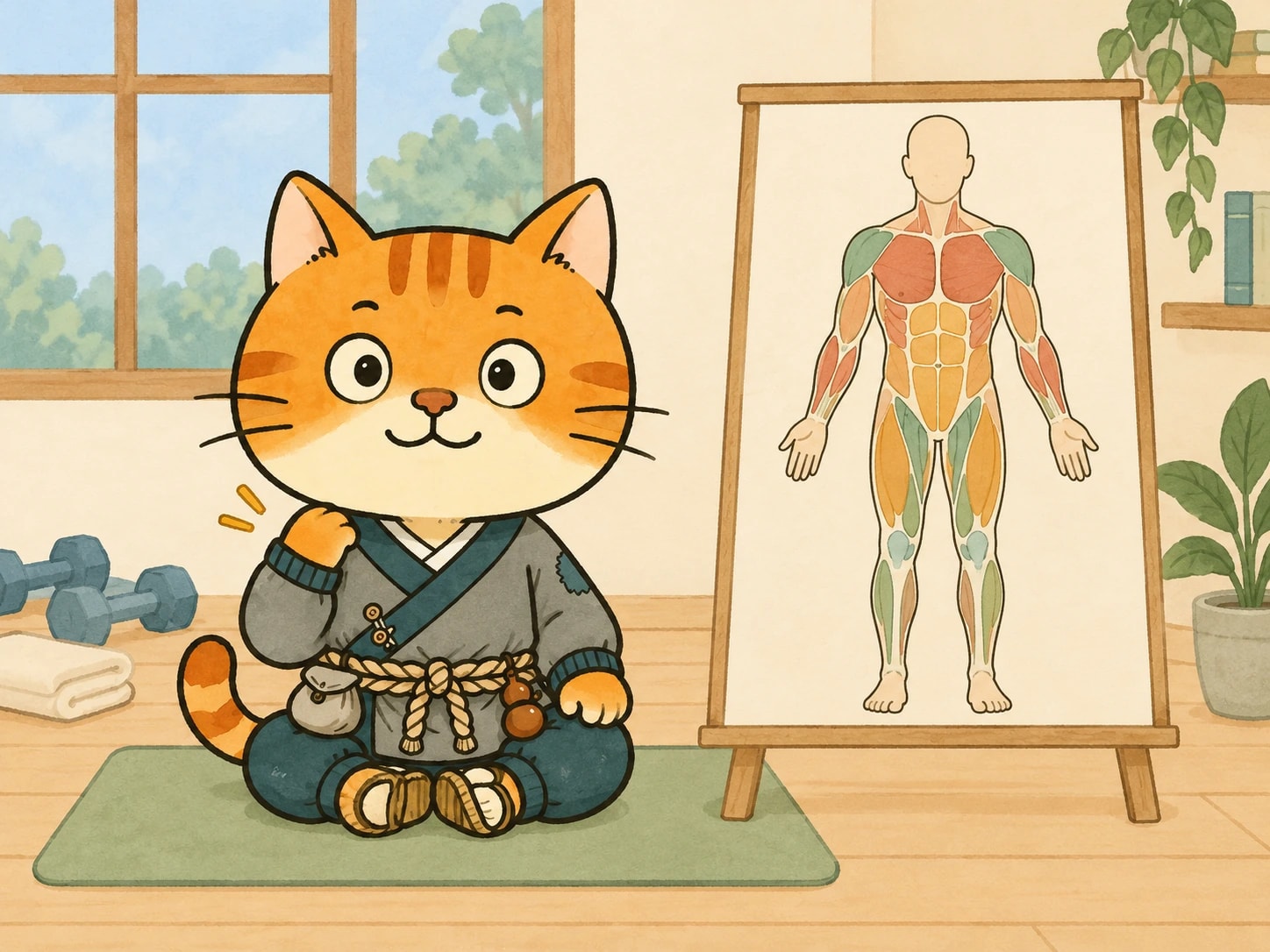
The body heat map on Data2Dao's home screen records how each body part feels in four states: red, yellow, green and transparent. This post explains what each color means, what feedback you give after a session and the next morning, what the app does when a part keeps getting worse, and what to do if a move hurts.

Why it works this way3 articles
What is a xianxia-themed fitness app like? Do you need to like xianxia?
In Data2Dao, cultivation (xianxia) is mainly a visual style, plus a sense of progress from moving up through the Realms little by little, without a heavy storyline. This post covers who the orange cat is, the references for its personality, why cultivation was chosen, and how game, fitness and cultivation are balanced.
Is Data2Dao free? Weekly, annual or lifetime: which plan to choose
Data2Dao has no free mode. There are three plans: an annual subscription (with a 7-day free trial), a weekly subscription and a lifetime purchase. This post covers how the three plans differ, why the developer charges, which one he recommends, and what to try during the 7-day trial.
Who made Data2Dao? One indie developer's year on a gamified fitness app
Data2Dao was built by indie developer Johnny. Work started in mid-2025, stopped for several months, and the app launched on September 28, 2026. This post covers where it got stuck, how an alarm clock that you can only turn off by doing push-ups became the turning point, and why he needed this app himself.